Chronic pain and musculoskeletal injuries are common concerns for many residents of Adelaide, South Australia. Fortunately, shockwave therapy has emerged as a highly effective, non-invasive treatment option for conditions including plantar fasciitis, Achilles tendinopathy, and shoulder calcifications. This modern therapy is gaining popularity in Adelaide clinics for its ability to accelerate healing, effectively reduce pain, and successfully restore mobility without the need for surgery.
Understanding Shockwave Therapy
Shockwave therapy involves the full application of acoustic waves to injured tissues, stimulating blood flow, collagen production, and cellular regeneration. The therapy targets areas of chronic inflammation, encouraging the body’s natural healing mechanisms. For Adelaide residents, this means faster recovery from persistent injuries that may not respond well to traditional physiotherapy or medications. Clinics across the city are now offering shockwave therapy as part of comprehensive treatment plans, often in combination with exercise therapy and manual techniques for optimal results.
Benefits of Shockwave Therapy in Adelaide
One of the main reasons shockwave therapy has become popular in Adelaide is its effectiveness in treating conditions that are often resistant to conventional therapies. Patients suffering from plantar fasciitis, a common cause of heel pain, report significant improvement after just a few sessions. Similarly, individuals with chronic shoulder or elbow tendinopathies have found relief through targeted shockwave applications. Beyond pain reduction, this therapy promotes tissue repair, helping patients successfully regain strength and function more quickly than with traditional methods alone.
Adelaide-based physiotherapists emphasise that shockwave therapy is a non-surgical solution with minimal side effects. Unlike invasive procedures, it does not require anaesthesia or a long recovery period, allowing patients to return to daily activities almost immediately. Local clinics are equipped with state-of-the-art shockwave machines and trained therapists who customise treatment for each patient’s unique condition, offering a highly personalised approach to pain management and injury recovery.
Conditions Treated with Shockwave Therapy in Adelaide
Several chronic conditions commonly affect Adelaide residents, particularly those who lead active lifestyles or participate in sports. Shockwave therapy has significantly shown remarkable results in treating:
● Plantar Fasciitis: Reduces heel pain and inflammation, helping individuals return to walking or running comfortably.
● Achilles Tendinopathy: Supports the repair of degenerated Achilles tendons, promoting stronger and more flexible tissue.
● Calcific Shoulder Tendinitis: Breaks down calcium deposits in shoulder tendons, significantly improving range of motion and reducing discomfort.
● Tennis and Golfer’s Elbow: Accelerates healing of repetitive strain injuries in the elbow and forearm.
● Patellar Tendinopathy: Enhances recovery for athletes experiencing chronic knee pain.
By focusing on these conditions, Adelaide physiotherapy clinics offer tailored shockwave therapy programs to improve patient outcomes and reduce long-term reliance on medications.
What to Expect During a Shockwave Therapy Session in Adelaide
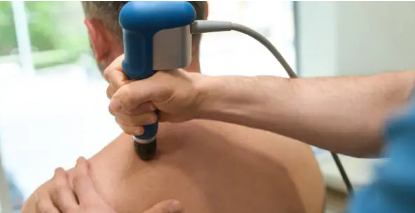
For first-time patients, understanding the process can reduce anxiety and improve treatment compliance. A typical session begins with a thorough assessment by a qualified physiotherapist. The affected area is then exposed to shockwaves using a handheld device, delivering precise energy pulses to promote tissue regeneration. Sessions usually last between 15 and 30 minutes, depending on the overall condition and severity of the injury. Most patients require between three and six sessions, scheduled a week apart, to achieve optimal results.
Choosing the Right Shockwave Therapy Provider in Adelaide
Selecting a qualified provider is crucial to achieving the best outcomes. Adelaide residents should look for clinics with certified physiotherapists experienced in shockwave therapy and modern equipment. Many clinics offer initial consultations to thoroughly assess the injury, discuss treatment options, and develop a personalised recovery plan. Reviews and recommendations from local patients can also provide insight into the overall quality of care, including patient satisfaction.
Conclusion
For those in Adelaide suffering from chronic pain or stubborn musculoskeletal injuries, shockwave therapy offers an innovative, non-invasive solution that promotes faster healing and long-term relief. With its proven effectiveness in treating conditions such as plantar fasciitis, tendinopathies, and calcific shoulder issues, this therapy is transforming pain management across the city. By choosing a reputable local provider, patients can experience personalised care, improved mobility, and a return to their daily activities without the downtime associated with surgical interventions.
Adelaide’s growing adoption of shockwave therapy highlights its potential as a cornerstone of modern physiotherapy. As more residents discover the benefits, this advanced treatment continues to gain recognition as a safe, effective, and reliable option for chronic pain relief and injury recovery.