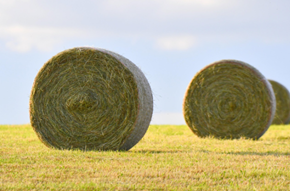
When drought conditions persist, stored fodder can become a critical buffer for irrigation farms and pastoral properties across the Murray-Darling Basin. Hay stored for three to five years must remain tightly formed and manageable when you finally need it. Choosing the right baling twine is therefore more than tying bales securely at harvest.
The twine must withstand ultraviolet exposure, temperature changes, moisture risks and prolonged tension without becoming brittle or losing strength. For producers building emergency fodder reserves, selecting suitable materials and storage conditions together can help protect feed quality and reduce the need to re-tie deteriorating bales.
Why Twine Degradation Matters During Long-Term Storage
Bales stored for several seasons place continuous demands on their binding material. Even inside a shed, heat, humidity, and occasional moisture can affect polypropylene over time. Bales stored under less controlled conditions may also face greater exposure to sunlight and temperature swings.
Degraded twine can become stiff, brittle or noticeably weaker. If tension is lost, bale shape may deteriorate, making handling with loaders, transport equipment and feeders more difficult.
For multi-year reserves, producers should consider:
● UV stabilisation suited to Australian conditions
● High tensile strength with reliable knot performance
● Consistent diameter and manufacturing quality
● Resistance to brittleness during extended storage
● Compatibility with the baler’s knotter system
●
Choosing Long-Term Fodder Storage Baling Twine Australia
Selecting long-term fodder storage baling twine from Australian suppliers requires looking beyond the twine’s initial breaking strength. A specification that performs well during harvest may not provide the same level of security after several years of storage.
High-quality polypropylene twine with appropriate UV stabilisers can resist degradation better than lower-grade material. However, no twine compound should be treated as completely immune to ageing. Storage conditions remain a major part of the equation.
For fodder intended for a three- to five-year reserve, match the twine specification to the bale type, density and expected storage environment. Follow the manufacturer’s recommended knot strength and baler settings rather than simply choosing the strongest product available.
Storage Conditions Are Just as Important
Even premium baling twine can deteriorate faster when exposed to harsh conditions. A well-maintained shed provides much better storage conditions than an uncovered stack exposed to Australian weather.
Where possible, store reserve fodder:
1. Under a sound roof that limits direct sunlight.
2. Away from persistent condensation and water ingress.
3. On a suitable surface that prevents moisture moving into the lower bales.
4. With enough ventilation to limit moisture accumulation.
5. In stacks that can be inspected periodically for damaged or deteriorating bales.
For outdoor storage, producers should follow established hay-storage practices and pay particular attention to weather exposure. Covering and stacking methods should protect both the feed and the binding material.
Inspect Before the Reserve Is Needed
Do not wait until a drought emergency to discover that stored bales have deteriorated. Inspect older stacks periodically, particularly when fodder has been stored through several summers.
Check for brittle or visibly weathered twine, loose bale structure, damaged knots and changes in bale shape. If individual bales show significant deterioration, prioritise them for use rather than leaving them at the bottom of a multi-year reserve.
Plan the Twine Specification Around the Entire Storage Cycle
Plan a drought reserve from harvest through to final feeding. That means considering baler settings, twine quality, storage location, stack management, and expected storage duration as a single system.
For irrigation farmers and pastoralists in the Murray-Darling Basin, the goal is not simply to produce tightly bound bales. It is to ensure those bales remain stable and practical to handle years after they leave the field.
Conclusion
The right baling twine can help maintain bale integrity during extended fodder storage, but its effectiveness depends on material selection and good storage management. Look for suitable UV stabilisation, dependable tensile performance and proven compatibility with your baler, then protect stored hay from unnecessary environmental exposure.
If you are preparing a three- to five-year drought reserve, speak with a reputable Australian twine supplier about the appropriate long-term fodder storage baling twine Australia specification for your baler, crop and storage conditions.
—
Frequently Asked Questions
1. How long can baling twine last in storage?
Its service life depends on the twine formulation, UV exposure, moisture, temperature and storage conditions. Manufacturers’ specifications should guide product selection.
2. What makes twine suitable for multi-year fodder storage?
Look for appropriate UV stabilisation, reliable tensile strength, consistent manufacturing quality and resistance to degradation under the expected storage conditions.
3. Is shed storage better for long-term hay reserves?
A sound shed can reduce exposure to sunlight and weather, helping protect both the fodder and its binding material.
4. Should stored bales be inspected during a drought reserve period?
Yes. Periodic inspections can identify brittle twine, damaged knots or deteriorating bale structure before the fodder is urgently required.
5. Can stronger twine prevent degradation?
Higher initial strength does not eliminate ageing. The twine’s compound, UV protection, storage environment and correct baler setup all influence long-term performance.