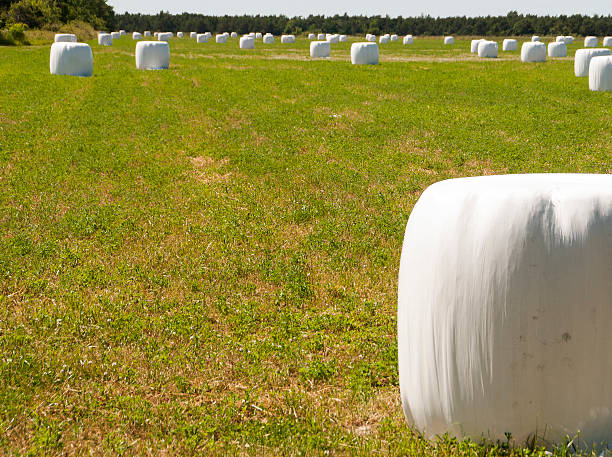
In the competitive world of Australian agriculture, efficiency and cost-effectiveness remain critical to a farm’s success. One farm in New South Wales recently transformed its hay baling process by adopting modern net wrap technology. This case study explores how integrating net wrap into their operations led to significant improvements in productivity, crop preservation, and overall profitability.
Understanding the Role of Net Wrap in Australian Farming
Net wrap is a specialized material used to encase round or square hay bales, providing protection and maintaining bale integrity. Unlike traditional twine, net wrap offers faster application, better coverage, and improved resistance to weather elements. For Australian farmers facing diverse climate challenges — from dry spells to sudden rain — the protective qualities of net wrap can make a tangible difference in preserving hay quality.
At the heart of this case study is Green Valley Farm, a mid-sized operation focusing on livestock feed production. Located in the temperate agricultural region of New South Wales, the farm had long struggled with losses caused by bale damage during handling and exposure to unpredictable weather.
Challenges Faced Before Using Net Wrap
Before adopting net wrap, Green Valley Farm relied heavily on conventional twine for binding its hay bales. While familiar and affordable, twine presented multiple challenges:
- Time-Consuming Application: Twine required multiple loops around each bale, slowing down the baling process and reducing overall daily output.
- Bale Integrity Issues: Twine offered minimal protection, leading to loose bales prone to unravelling, which increased waste and handling difficulties.
- Weather Vulnerability: Exposure to rain and moisture caused twine-bound bales to deteriorate faster, resulting in mould growth and feed loss.
- Labour Intensive: The extra time and effort required to apply twine strained available labour resources during the busy harvest season.
These issues prompted the farm manager, Sarah Mitchell, to explore alternatives that could improve efficiency and protect feed quality better.
The Decision to Switch to Net Wrap
After thorough research and consultations with equipment suppliers, Green Valley Farm made the strategic decision to switch to net wrap for its baling needs. Several factors influenced this choice:
- Speed: Net wrap can be applied in a single rotation around the bale, dramatically reducing baling time.
- Durability: The tight mesh layer provided superior protection against bale unravelling.
- Weather Resistance: Net wrap’s design helps shield bales from moisture ingress, extending feed shelf life.
- Cost-Benefit: Although initially more expensive than twine, the reduction in feed loss and labour hours promised long-term savings.
The farm invested in compatible net wrap material and adjusted its baling machinery to accommodate the new wrap style.
Measurable Efficiency Gains and Benefits
Within the first baling season using net wrap, Green Valley Farm reported notable improvements:
- Increased Baling Speed: The farm boosted its daily bale output by 30%, allowing faster completion of harvest windows critical in Australia’s often volatile climate.
- Reduced Feed Loss: Bale damage due to unravelling dropped by 60%, saving thousands of dollars in lost feed value.
- Enhanced Bale Quality: Bales maintained their shape better during transport and storage, easing handling and stacking processes.
- Lower Labour Costs: Less manual rewrapping and bale fixing translated into more efficient use of labour, particularly during peak harvest periods.
- Environmental Impact: Net wrap’s longer-lasting protection meant fewer bales were discarded or wasted, contributing to more sustainable farm operations.
Sarah emphasised, “The switch to net wrap was transformative. Not only did we work faster, but the quality of our feed bales improved, which is crucial for our livestock’s health and productivity.”
Adapting to Australian Conditions with Net Wrap
Australia’s variable weather poses challenges that net wrap uniquely addresses. From the dry inland to wetter coastal zones, protecting bales from rain and UV degradation is essential. Green Valley Farm tailored its net wrap choice by selecting UV-resistant, high-tensile strength products sourced locally, ensuring materials were suited to regional conditions.
Additionally, the farm trained staff in net wrap handling and machinery adjustments, ensuring smooth integration without disruption. The adaptability of net wrap allowed Green Valley to maintain bale quality even during unexpected weather events, a common occurrence in Australian farming.
Future Implications and Broader Lessons
The success of Green Valley Farm’s transition to net wrap highlights a broader trend among Australian farmers embracing technology to optimise operations. Net wrap’s role in improving efficiency and preserving feed quality offers a compelling case for farms seeking resilience against climatic uncertainty.
Farmers nationwide can take inspiration from this case study by:
- Evaluating current baling methods and identifying inefficiencies.
- Considering upfront investment in a net wrap as a pathway to long-term savings.
- Selecting net wrap products tailored for specific regional climates.
- Investing in staff training to maximise the benefits of new technology.
Conclusion
Net wrap has proven to be a game-changer for Green Valley Farm, enhancing efficiency, reducing waste, and supporting sustainable livestock feeding practices. This case study underscores how a relatively simple shift in baling material can generate significant operational improvements for Australian farms.
As agriculture in Australia continues to face environmental and economic pressures, innovations like net wrap will be essential tools in maintaining productivity and profitability. For Green Valley Farm, net wrap is no longer just an option — it’s a vital part of their success story.