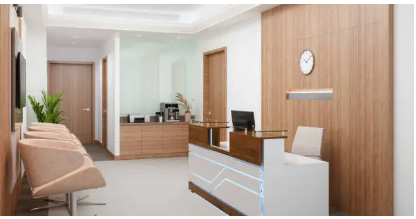
When establishing or upgrading a medical electrical in Adelaide, South Australia, understanding the financial landscape of medical electrical fitouts is crucial. Whether you are a healthcare provider opening a new practice or upgrading an existing facility, managing fitout costs efficiently can significantly impact your operational success. This article explores the key factors influencing a medical electrical fitouts cost in Adelaide in 2025 and offers insights to help healthcare providers plan their budgets confidently and strategically.
Understanding Medical electrical Fitouts Cost in Adelaide
Medical electrical fitouts cost refers to the total expenditure involved in transforming an empty or existing commercial space into a fully functional medical practice. It includes design, construction, installation of medical-grade equipment, compliance with health regulations, and the integration of technology solutions.
In Adelaide, the cost landscape is shaped by a combination of local market conditions, regulatory requirements, and the unique needs of healthcare services. Unlike generic commercial fitouts, medical offices require specialised infrastructure such as sterilisation rooms, patient waiting areas, consultation rooms, and often advanced HVAC systems to meet infection control standards.
Location and Its Impact on Fitout Costs
One of the most significant factors influencing the cost of medical electrical fitouts in Adelaide is the location of the premises. Adelaide’s central business district (CBD) commands higher rents and building costs compared to suburban areas. Fitouts in premium locations may also require adherence to stricter building codes and heritage considerations, driving costs up.
However, location also dictates patient accessibility and the potential for business growth. Medical offices in high-traffic areas may justify higher fitout investments due to better patient volumes and long-term profitability. Balancing location costs against business goals is a critical budgeting step.
Design Complexity and Customisation
The design phase heavily influences the cost of medical electrical fitouts. Healthcare facilities must incorporate specialised design elements that comply with Australian health and safety regulations. Customisation may include features like soundproof consultation rooms, accessible facilities for disabled patients, and efficient layouts that optimise patient flow and staff productivity.
Complexity also extends to aesthetic considerations. A modern, welcoming design can improve patient experience but may increase initial costs due to higher-end materials or bespoke furniture. Engaging an experienced medical electrical designer familiar with local regulations can help streamline design decisions, avoiding costly redesigns or compliance issues.
Compliance and Regulatory Requirements
In 2025, the cost of medical electrical fitouts in Adelaide will also be affected by stringent regulatory requirements. The healthcare sector must comply with guidelines from bodies such as the Australian Health Practitioner Regulation Agency (AHPRA) and local council regulations. It involves meeting standards for infection control, disability access (DDA compliance), fire safety, and environmental sustainability.
Ensuring compliance often requires investments in specialised materials, equipment, and technology—such as antimicrobial surfaces, medical-grade lighting, and HVAC systems designed to minimise airborne contamination. Budgeting for these compliance-driven costs early in the planning process helps prevent unexpected expenses and delays.
Technology Integration: A Growing Cost Driver
Technology is becoming increasingly central to modern medical offices. Integration of electronic health record (EHR) systems, telehealth capabilities, diagnostic equipment, and automated patient management software adds to the medical electrical fitouts cost but is essential for efficient operations.
Adelaide-based fitouts in 2025 often incorporate innovative building systems to control lighting, temperature, and security remotely. While this technology enhances operational efficiency and patient comfort, it requires upfront capital investment and careful planning to ensure seamless integration with medical workflows.
Contractor Selection and Construction Quality
Choosing the right contractor plays a pivotal role in managing the cost of medical electrical fitouts. Adelaide’s construction market offers a wide range of specialists, but not all have experience in healthcare fitouts. A contractor knowledgeable about medical standards can avoid costly mistakes and rework by adhering to precise specifications.
Additionally, the quality of construction materials affects both initial costs and long-term maintenance expenses. Opting for durable, medical-grade materials may seem costly initially, but it reduces the need for frequent repairs or replacements, providing better value over time.
Conclusion:
Navigating medical electrical fitouts costs in Adelaide, SA, in 2025 requires a comprehensive understanding of multiple interrelated factors. Location, design, compliance, technology, contractor expertise, and sustainability each play a pivotal role in shaping the budget.
Healthcare providers who approach fitout planning with a strategic mindset—balancing immediate needs with long-term goals—can manage costs effectively while creating patient-centric, compliant, and technologically advanced medical offices.