Intervertebral Disc Disease (IVDD) is a prevalent and potentially debilitating condition affecting dogs, particularly breeds with elongated backs such as Dachshunds, Beagles, and French Bulldogs. In Portland, Oregon, pet owners have access to a range of effective treatment options to successfully manage and alleviate the symptoms of IVDD, ensuring their canine companions lead comfortable and active lives. For professional IVDD in dogs effective treatment services, click here.
Understanding IVDD in Dogs
 IVDD occurs when the cushioning discs between the vertebrae of a dog’s spine degenerate or herniate, seriously leading to compression of the spinal cord and nerves. This condition can significantly result in pain, nerve damage, and, in severe cases, paralysis. Early recognition and intervention are remarkably crucial for effective Management.
Common Symptoms:
- Reluctance to move or jump
- Crying out in pain
- Unsteady gait or difficulty walking
- Loss of bladder or bowel control
- Paralysis in severe cases
Effective Treatment Options for IVDD in Portland
Treatment for IVDD in dogs varies based on the severity of the condition. Portland offers a spectrum of both conservative and surgical interventions tailored to each dog’s needs.
Conservative Management
For dogs exhibiting mild to moderate symptoms, non-surgical approaches can be practical:
- Medication: Non-steroidal anti-inflammatory drugs (NSAIDS) like Carprofen or Meloxicam help reduce inflammation and alleviate pain. In some cases, corticosteroids may be prescribed to manage swelling around the spinal cord.
- Strict Rest: Limiting movement through crate rest for several weeks allows the affected disc to heal and prevents further injury.
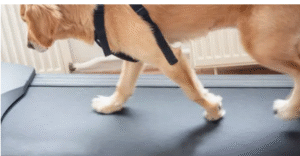
- Physical Therapy: Incorporating controlled exercises, massage, and hydrotherapy can strengthen supporting muscles and improve mobility.
- Acupuncture and Laser Therapy: These modalities can reduce pain and inflammation, promoting nerve function and healing.
Surgical Intervention
In cases where conservative treatments are ineffective or if the dog experiences severe neurological deficits, surgery may be necessary:
- Hemilaminectomy: A standard procedure where part of the vertebral bone is removed to relieve spinal cord pressure.
- Ventral Slot Surgery: Used for cervical disc issues, this surgery significantly involves creating an opening in the vertebrae to remove the problematic disc material.
- Fenestration: This preventive procedure removes disc material to reduce the risk of future herniation.
Post-operative care includes pain management, physical rehabilitation, and close monitoring to ensure a successful recovery.
Holistic and Supportive Therapies
Integrating holistic approaches can enhance recovery and overall well-being:
- Acupuncture: Stimulates nerves and muscles, reduces inflammation, and can expedite recovery when combined with conventional treatments.
- Cold Laser Therapy: Utilises specific wavelengths of light to significantly promote tissue repair and reduce pain.
- Massage Therapy: Helps alleviate muscle tension, improve circulation, and provide comfort during the healing process.
Preventive Measures and Long-Term Care
Preventing IVDD or minimising its impact involves proactive strategies:
- Weight Management: Maintaining a healthy weight effectively reduces stress on the spine.
- Controlled Exercise: Regular, low-impact activities strengthen back muscles without overexertion.
- Environmental Modifications: Using ramps, avoiding stairs, and limiting jumping can prevent undue strain on the spine.
- Regular Veterinary Check-ups: Early detection through routine exams allows for timely intervention.
Accessing IVDD Treatment in Portland
Portland boasts a range of veterinary clinics and specialists equipped to diagnose and treat IVDD:
- Specialty Veterinary Clinics: Facilities offering advanced imaging and surgical options.
- Rehabilitation Centres: Clinics focusing on physical therapy, hydrotherapy, and holistic treatments.
- General Veterinary Practices: Providing initial assessments, conservative treatments, and referrals to specialists as needed.
When selecting a treatment path, consult with a veterinarian to determine the most appropriate plan tailored to your dog’s specific condition and needs.
Conclusion:
IVDD in dogs is a serious condition, but with prompt and effective treatment, many dogs in Portland can recover and lead fulfilling lives. By understanding the available treatment options and working closely with veterinary professionals, pet owners can ensure their dogs receive the best possible care.
Choosing the right path for IVDD in dogs, effective treatment is essential for your pet’s recovery and quality of life. Portland, OR, offers an impressive array of veterinary resources—from advanced surgical centres to holistic rehabilitation facilities—ensuring that every dog can receive care tailored to their condition and lifestyle.
By acting quickly at the first signs of IVDD and committing to a consistent treatment and care plan, pet owners can significantly enhance their dog’s comfort, mobility, and long-term well-being. With the proper support and expertise, dogs affected by IVDD can regain strength, enjoy daily activities, and live happy, pain-free lives.