In the agricultural industry, baling twine is a crucial component for efficient and effective hay and straw baling. In Australia, where farming and agricultural activities are abundant, understanding the importance of balancing twine and selecting the right type can significantly impact productivity and cost. For a high tensile strength baling twine, click here.
What is Baling Twine?
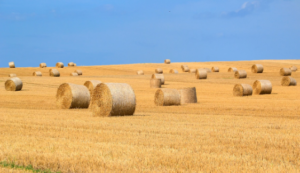 Baling twine is a type of cord used to bale hay, straw, and other forage materials. Its primary role is to hold the baled material together securely, preventing it from unravelling and ensuring that the bales are compact and manageable.
Types of Baling Twine
Baling twine comes in various materials and styles, each suited to different applications. The main types of baling twine available in Australia are:
- Polypropylene Baling Twine: This is the most common type of baling twine used in Australia. Made from polypropylene, it is known for its strength, durability, and resistance to moisture. Polypropylene baling twine is ideal for hay and straw baling, offering excellent knot-holding ability and minimal stretch.
- Jute Baling Twine: Jute is a natural fibre that is biodegradable and eco-friendly. Although not as common as polypropylene, jute baling twine is still used in some Australian farms, particularly by those who prioritise sustainability. Jute twine is suitable for lighter bales and offers good tensile strength.
- Kenaf Baling Twine: Kenaf is another natural fibre used in baling twine. It combines some of the benefits of polypropylene and jute, offering strength and environmental benefits. Kenaf baling twine is gaining popularity for its balance between durability and eco-friendliness.
- Plastic Baler Twine: This type is similar to polypropylene but may include different additives or coatings for enhanced performance. Plastic baler twine is known for its weather resistance and ability to withstand various environmental conditions.
Choosing the Right Baling Twine
Selecting the proper baling twine involves considering several factors to ensure optimal performance and cost-effectiveness. Here are some essential tips for choosing the best baling twine:
- Bale Size and Type: The size and type of your bales will determine the thickness and strength of the twine you need. For small square bales, a thinner twine may suffice, while large round bales require thicker, stronger twine to handle the additional pressure.
- Material Strength: The strength of the baling twine is crucial for maintaining bale integrity. Polypropylene twine generally offers superior strength and durability compared to natural fibres. Ensure the twine you choose can handle the weight and pressure of the bales you are producing.
- Environmental Conditions: Consider the weather conditions in your area. If you are in a region with high humidity or frequent rain, polypropylene or plastic baler twine may be preferable due to its resistance to moisture and decay.
- Knot-Holding Ability: Effective knot-holding is essential for secure bales. Test the twine’s ability to hold knots under pressure to avoid issues during baling.
- Cost-Effectiveness: While it might be tempting to opt for the cheapest option, consider the long-term costs and benefits. Higher-quality twine may have a higher initial cost but can save money in the long run due to its durability and performance.
How to Use Baling Twine
Proper usage of baling twine is crucial for achieving well-formed bales. Here are some guidelines:
- Adjust the Tension: Ensure that the twine is adjusted to the correct tension in the baler machine. Too tight can cause the twine to break, while too loose can result in poorly secured bales.
- Regular Maintenance: Keep your baler and twine dispenser well-maintained to prevent operational issues. Check for wear and tear regularly and replace any damaged twine promptly.
- Storage: Store baling twine in a dry, cool place to prevent moisture absorption and degradation. Proper storage extends the twine’s lifespan and ensures optimal performance during baling.
Conclusion:
Baling twine is a vital tool in the Australian agricultural sector, ensuring that hay and straw bales are secure and manageable. By understanding the different types of baling twine and their applications, you can make informed decisions to improve your baling process. Whether you opt for polypropylene, jute, kenaf, or plastic twine, choosing the proper baling twine tailored to your specific needs will enhance efficiency and productivity in your farming operations.