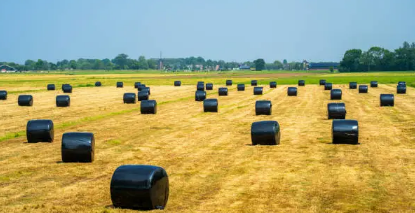
For Australian farmers, selecting the right bale wrap is crucial to ensuring high-quality silage and preserving valuable livestock feed. Bale wrap protects hay and silage from moisture, oxygen, and UV exposure, helping maintain nutrient content and preventing spoilage. With Australia’s diverse climates—from the tropical conditions of Queensland to the temperate zones of Victoria and South Australia—choosing a durable, reliable bale wrap suited to local conditions can significantly improve farm productivity and profitability.
Understanding Bale Wrap and Its Importance
Bale wrap is a specialised plastic film used to encase hay or silage bales, creating an airtight seal that promotes anaerobic fermentation. This process is essential for preserving forage quality and extending shelf life. In Australia, where weather patterns can vary dramatically across regions, high-quality bale wrap helps keep bales protected from rainfall, extreme heat, and UV radiation. Investing in the right wrap not only reduces waste but also supports livestock health by providing consistent, nutrient-rich feed year-round.
Key Factors When Choosing Bale Wrap in Australia
1. Climate and UV Resistance
2. Australian farms experience a wide range of climatic conditions. In northern regions like Queensland and Northern Territory, intense sunlight and heat can degrade low-quality wraps quickly. UV-stabilised bale wrap is designed to resist sun damage, ensuring the wrap maintains its integrity for months. Conversely, southern states such as Tasmania or Victoria may prioritise moisture resistance due to frequent rainfall. Understanding regional weather patterns is essential when selecting the appropriate bale wrap.
3. Film Thickness and Durability
4. The thickness of bale wrap is measured in microns and directly impacts its durability. Thicker films are more resistant to punctures, tears, and damage from handling or wildlife. In areas with rough terrain or where bales are stored outdoors, thicker wraps provide added protection, reducing the risk of spoilage. For Australian farmers handling large-scale operations, balancing cost with durability is key to achieving long-term value.
5. Compatibility with Forage Types
6. Different forage types—such as lucerne, grass, or cereal crops—may require varying levels of protection. Bale wrap should be selected based on the bales’ moisture content and density. For example, high-moisture silage may need stretchable, airtight wraps to prevent leaks and fermentation issues. Understanding the forage being stored allows Australian farmers to optimise preservation and maintain feed quality.
Bale Wrap Techniques for Australian Farms
Proper application is as important as selecting the right bale wrap. Farmers should ensure bales are wrapped tightly and consistently, covering the entire surface to prevent oxygen ingress. Using machines like automatic bale wrappers can increase efficiency, especially on larger properties common in Australia. Additionally, storing bales off the ground and in well-drained areas helps prolong the life of the wrap and prevents water damage from pooling at the base.
Cost Considerations and Sustainability
While high-quality bale wrap may have a higher upfront cost, the reduction in spoilage and feed loss can result in long-term savings. Australian farmers should also consider biodegradable or recyclable bale wrap options, which are gaining popularity due to environmental concerns. Choosing sustainable wraps not only benefits the ecosystem but can also improve the farm’s reputation and align with government initiatives promoting eco-friendly agricultural practices.
Top Brands and Suppliers in Australia
Several reputable suppliers provide bale wrap tailored for Australian conditions. Local agricultural stores and online distributors offer wraps with specific UV stabilisation, thickness options, and stretchability to suit different regional requirements. Consulting with suppliers who understand local climate and forage conditions can help farmers make informed decisions, ensuring optimal protection and storage efficiency.
Maintaining Bale Quality Year-Round
Using the right bale wrap is only one part of maintaining feed quality. Australian farmers should regularly inspect wrapped bales for damage, monitor storage conditions, and rotate bales to minimise exposure to weather extremes. These practices, combined with high-quality bale wrap, ensure livestock receive nutritious feed year-round, supporting better herd health and farm productivity.
Conclusion
Selecting the correct bale wrap is a vital investment for Australian farmers aiming to preserve forage quality and reduce feed loss. By considering climate, UV resistance, film thickness, forage type, and sustainable options, farmers can make informed decisions that enhance efficiency and profitability. Proper wrapping techniques and regular maintenance further protect bales from spoilage, ensuring high-quality feed for livestock year-round. With the right bale wrap strategy, Australian farms can optimise operations while adapting to the unique challenges of local farming conditions.