Hip dysplasia is a common and painful condition that affects many dogs in Portland, particularly large breeds, causing them significant discomfort and mobility issues. As a degenerative joint disease, it results from abnormal development of the hip joint, seriously leading to instability, pain, and, over time, decreased functionality. If left untreated, hip dysplasia can severely limit a dog’s quality of life. However, advancements in veterinary medicine have provided several therapeutic options to alleviate the symptoms of this condition, and one of the most reliable treatments is Canine-PT-and-Me therapy for dogs with hip dysplasia.
What is Canine-PT-and-Me Therapy?
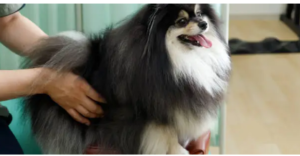 Canine-PT-and-Me therapy for dogs with hip dysplasia is a specialised form of physical therapy specially designed to improve mobility, reduce pain, and significantly enhance the overall quality of life for dogs seriously suffering from this condition. Canine physical therapy, in general, involves a variety of therapeutic techniques perfectly tailored to meet the individual needs of each dog. The primary goal of this therapy is to manage the symptoms of hip dysplasia, prevent further joint deterioration, and help dogs regain strength and flexibility.
Canine-PT-and-Me therapy is provided by certified animal physical therapists with extensive training in working with dogs. These professionals develop customised treatment plans that incorporate different modalities, such as massage, therapeutic exercises, heat/cold therapy, and hydrotherapy, all aimed at improving the dog’s joint health and movement.
How Does Canine-PT-and-Me Therapy Help Dogs with Hip Dysplasia?
Hip dysplasia in dogs leads to joint instability, pain, and inflammation, all of which contribute to the dog’s diminished ability to move freely. Over time, affected dogs may show signs of limping, difficulty standing up, and reluctance to exercise or engage in physical activity. Canine-PT-and-Me therapy targets these specific issues by focusing on the following key aspects:
Pain Relief
Pain management is a huge part of treating hip dysplasia. Canine-PT-and-Me therapy includes techniques such as massage and thermal treatments (heat and cold therapy), which help reduce inflammation and soothe sore muscles and joints. These methods can alleviate the constant discomfort associated with hip dysplasia, allowing the dog to feel more comfortable and less stressed.
Strengthening Muscles
Since the hip joint itself may be unstable due to dysplasia, the muscles surrounding the joint become overworked as they try to compensate for the lack of stability. Canine-PT-and-Me therapy for dogs with hip dysplasia focuses on strengthening these muscles, which provides better support for the hip joint and reduces the overall strain on it. Strengthening the muscles can also improve the dog’s posture and alignment, contributing to better mobility.
Improved Mobility
One of the most significant benefits of Canine-PT-and-Me therapy is its ability to enhance mobility. The therapy includes specific exercises designed to increase flexibility, range of motion, and joint stability. Dogs that undergo regular physical therapy are often able to regain some of the lost mobility in their hips, which allows them to move more easily and with less pain.
The Reliability of Canine-PT-and-Me Therapy
Canine-PT-and-Me therapy for dogs with hip dysplasia has gained an excellent reputation for being a reliable and effective treatment option. The therapy’s success lies in its tailored approach, which ensures that each dog receives the specific care they need to address their condition. Several factors contribute to the reliability of this therapy:
Comprehensive Approach
Unlike medications or surgeries that may focus on treating only one aspect of the condition, Canine-PT-and-Me therapy addresses multiple factors simultaneously. By incorporating a combination of exercises, manual therapy, and modalities like hydrotherapy, the therapy provides a holistic approach to managing hip dysplasia. This comprehensive treatment plan is key to its long-term effectiveness.
Proven Results
Numerous studies and anecdotal evidence have demonstrated the effectiveness of physical therapy in significantly improving the quality of life for dogs with hip dysplasia. Dogs that undergo regular physical therapy sessions often experience increased mobility, reduced pain, and a higher level of physical fitness. It has been particularly evident in dogs who would otherwise have difficulty walking or engaging in regular activities due to hip dysplasia.
Conclusion
Managing hip dysplasia in dogs requires a reliable, effective treatment plan that focuses on pain relief, improved mobility, and prevention of further joint damage. Canine-PT-and-Me therapy for dogs with hip dysplasia has proven to be a highly reliable option for achieving these goals. With the guidance of certified canine physical therapists and a comprehensive, customised treatment plan, dogs with hip dysplasia can experience significant improvements in their health and well-being. Whether as a standalone therapy or as part of a broader treatment plan, Canine-PT-and-Me offers a safe, reliable, and effective solution for managing this common yet debilitating condition.