In recent years, the field of veterinary medicine has seen a remarkable evolution, expanding its horizons beyond traditional treatments to incorporate a variety of specialized care options. One such burgeoning specialty is that of the dog physical therapist. As with their human counterparts, dog physical therapists play a critical role in enhancing the quality of life for their patients through targeted rehabilitation, pain management, and mobility improvement.
Understanding Dog Physical Therapy
Dog physical therapists are professionals trained in the art and science of rehabilitating canines. These specialists employ a range of techniques and tools to address issues such as post-surgical recovery, chronic pain, arthritis, and neurological conditions. The goal of a dog physical therapist is to restore, maintain, and promote optimal physical function and overall well-being.
 Why Dogs Need Physical Therapy
Much like humans, dogs can suffer from a variety of physical ailments that impair their mobility and quality of life. Common conditions that may necessitate the services of a dog physical therapist include hip dysplasia, ligament injuries, spinal problems, and degenerative joint diseases. Additionally, dogs recovering from surgeries, such as those involving the cruciate ligament or intervertebral disc disease, benefit significantly from structured physical therapy programs.
Techniques Used by Dog Physical Therapists
Dog physical therapists utilize a variety of techniques tailored to the specific needs of each canine patient. These techniques may include:
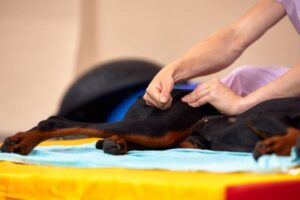
- Manual Therapy: Hands-on techniques such as massage, stretching, and joint mobilization are used to reduce pain, improve circulation, and increase flexibility.
- Hydrotherapy: Water-based exercises, often performed in a specially designed pool or underwater treadmill, help reduce the weight-bearing strain on joints while promoting muscle strength and endurance.
- Therapeutic Exercises: Custom exercises are designed to improve balance, coordination, strength, and range of motion. These may include activities such as controlled walking, obstacle courses, and the use of exercise balls.
- Laser Therapy: Low-level laser therapy can help reduce inflammation and promote tissue healing.
- Electrotherapy: Techniques such as transcutaneous electrical nerve stimulation (TENS) can help manage pain and stimulate muscle contractions.
The Role of a Dog Physical Therapist
A dog physical therapist plays a multifaceted role in the care of their patients. They begin by conducting a thorough assessment, which includes a detailed history, physical examination, and often diagnostic imaging. Based on this assessment, they develop a personalized treatment plan tailored to the dog’s specific needs and goals.
Throughout the rehabilitation process, the dog physical therapist closely monitors progress and adjusts the treatment plan as necessary. They also educate pet owners on how to continue therapeutic exercises at home, ensuring that the benefits of therapy are maximized. Additionally, they may work in collaboration with veterinarians, orthopedic surgeons, and other specialists to provide comprehensive care.
Benefits of Dog Physical Therapy
The benefits of physical therapy for dogs are vast and can lead to significant improvements in their overall quality of life. Some of the key benefits include:
- Pain Relief: Through various therapeutic modalities, physical therapists can effectively manage and reduce chronic pain, enhancing comfort and well-being.
- Improved Mobility: Physical therapy helps restore and improve movement, allowing dogs to regain their ability to walk, run, and play.
- Enhanced Recovery: Post-surgical rehabilitation can accelerate the healing process, reduce the risk of complications, and improve surgical outcomes.
- Increased Strength: Targeted exercises build muscle strength, supporting joints and reducing the likelihood of future injuries.
- Weight Management: For overweight dogs, physical therapy can be an integral part of a weight loss program, promoting a healthier lifestyle.
Choosing the Right Dog Physical Therapist
Selecting a qualified dog physical therapist is crucial to ensure the best possible care for your pet. Look for professionals who are certified and have undergone specialized training in canine rehabilitation. Organizations such as the American Association of Rehabilitation Veterinarians (AARV) and the Canine Rehabilitation Institute (CRI) offer certifications and training programs that ensure high standards of care.
Conclusion
The field of dog physical therapy is a testament to the advancing scope of veterinary medicine, highlighting the importance of specialized care in promoting the health and well-being of our furry companions. Dog physical therapists, with their expertise and dedication, provide invaluable services that help dogs lead happier, healthier lives. Whether aiding in recovery from injury or managing chronic conditions, these professionals play a pivotal role in the lives of countless dogs and their owners, demonstrating that every dog deserves the best possible care to live life to the fullest.