Getting rid of a tree stump can be a difficult task, but there are some things you can do to make it easier. One of these tools is a chainsaw. While it is faster than chopping down a tree, it is also time-consuming and requires a Class A licence. If you have to remove a large stump, however, you may want to hire someone qualified to do it.
A chainsaw is the best tool for tree stump removal.
Tree stump removal SA can be difficult, but with the right tools, you can eliminate it. If you do not have experience using a chainsaw, you should use a bow saw instead. Getting to the root system takes more time, but it is safer. You can also use a drill bit that has a larger diameter. If you do not want to use a chainsaw, you can clean the stump with water, fertilizer with high nitrogen content, and stump removal granules.
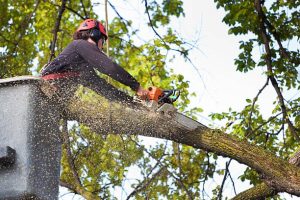 For larger trees, you can hire a stump grinder. While these are not cheap, they are heavy and difficult to use. In addition, they can be dangerous if not used properly. Make sure you wear protective gear and follow safety instructions.
It requires more digging than chopping down a tree.
Tree stump removal is not as simple as chopping down the tree, which requires more digging than just chopping it down. The process starts by digging around the stump with an axe or shovel. The goal is to expose as many roots as possible. When this is done, the stump should be easy to remove. Once the roots have been exposed, use a saw or axe to cut them into manageable pieces.
If you do not have the experience to chop a tree down safely, you may need a bow saw instead. However, a bow saw requires more digging to expose the roots, and a wider drill bit is recommended for chopping down a stump. Once the stump has been cut down, use water, fertilizer high in nitrogen, or stump-remover granules to clean it up.
It is time-consuming
Tree stump removal is a difficult and time-consuming job. If you aren’t an expert in this field, you may consider hiring a professional to perform the task. These professionals will have more experience and better equipment. Plus, they will remove the stump much faster than you can!
In addition to hiring a professional, you can also attempt to burn the stump yourself. You will need a power drill and kerosene or fuel oil to perform this method. Once the stump has been soaked in the fuel, you can start the burning process. This method, however, is time-consuming and will require you to invest in the necessary tools and equipment.
The cost of tree stump removal SA depends on how many trees you need to be removed. For example, if you only have one stump, you may pay $100 to $150 for a professional to remove it. This cost can go up depending on the size of the stump, the location of the stump, and how difficult it is to reach it.
It requires a Class A licence.
Tree stump removal is not a DIY project and requires special equipment, time and effort. Many homeowners attempt the task on their own without success. In addition to being a safety issue, a tree stump can make a property unsightly and reduce the value of a home.
Before starting, ensure that the contractor is qualified. The South Australian Government publishes tree-cutting regulations. These regulations stipulate that trees larger than two meters in circumference must have a tree-cut permit. In addition, some councils have their requirements. And in some cases, permits are required under the federal Environment Protection and Biodiversity Conservation Act. This applies to trees in protected areas or those with significant impacts.
In addition to obtaining a Class A licence, tree stump removal SA companies in South Australia must follow the WorkCover Code of Practice for the Amenity Tree Industry 1998. Some companies may also be affiliated with professional associations such as the South Australian Society of Arboriculture.
It is expensive
Tree stump removal costs vary, but many factors can influence the price: geographic location, tree size, and root complexity. For example, tree removal costs can be considerably higher in an urban area due to the high cost of permits and insurance. Moreover, stumps in hard-to-reach places can be more difficult to remove and require additional time and preparation. Therefore, most professionals adjust their costs accordingly.