A makeup artist is responsible for enhancing a client’s appearance, and she has to be sensitive about skin concerns. While makeup can cover up many flaws, it cannot hide all of them. Therefore, a makeup artist must ask the client questions about their skin type and examine it before applying makeup. For example, an older client may suffer from occasional blemishes on the forehead. To help them hide these blemishes, the makeup artist may use an oil blotter to cover their forehead and an oil-free moisturiser on the rest of their face.
Career Outlook
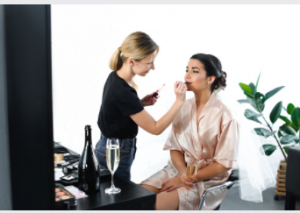 A career as a makeup artist Melbourne has many advantages and is an excellent choice for those who love to create looks for clients. Most professionals are self-employed and bid for projects on a project-by-project basis. Creating an online portfolio and utilising social media to gain exposure helps get work done. Online booking systems can also be helpful. You can also use diary services to manage your work for a fixed fee. However, these services are typically only available to individuals with significant experience. Lastly, you can consider joining an agency that will represent you and provide a steady source of work.
There are several jobs for makeup artists, and the employment outlook can vary significantly by location. However, the demand for such professionals is highest in major metropolitan areas, where the personal care industry is booming. In addition, there is a high demand for make-up artists for special events and in theatres. Therefore, the demand for these professionals is expected to increase rapidly in the coming years.
Salary
A makeup artist’s salary is highly dependent on their level of education and experience. Some states require makeup artists to have a diploma or license, while others don’t require formal training. The state-specific requirements will determine the annual salary of a makeup artist. In addition, a makeup artist’s salary will depend on several factors, including location and years of experience.
The average makeup artist Melbourne makes around $60,970 a year, according to the Bureau of Labor Statistics (BLS). The top 10 per cent of artists earn more than $124,960 annually. However, it’s important to remember that this figure is only a rough average. The median salary varies widely depending on experience, skill level, and location.
In addition to education and experience, aspiring makeup artists should seek opportunities to expand their skill set and network. It will help them build their clientele and learn new techniques. Additional training will broaden their skills and help them earn higher salaries.
Education required
Many educational options are available to those interested in becoming a makeup artist. In addition to attending college, there are also post-secondary programs that offer specialised training. An education in makeup application requires several critical skills. These include understanding skin type and condition, colour theory, and sensitivity. Students must also take classes on the anatomy of the human body.
Having a formal education will provide you with high-level knowledge and skills. Moreover, a diploma from an accredited school will show prospective employers that you have received the appropriate training and hours. However, some of the most talented artists are self-taught. Therefore, regardless of how you learn, beauty industry employers will always look for an education certification, just like in any other field.
Education requirements for makeup artists will vary depending on where you want to practice. For example, some artists choose to work as freelance makeup artists, which doesn’t require an educational background. However, if you want to work in a corporation or agency, you must fulfil the educational requirements of the agency.
Work environment
The work environment for a makeup artist can be diverse. Many make-up artists work long shifts and on weekends, and they must be on-set before and during the filming process. They may also be required to work on advance fittings for actors. Some make-up artists work on a freelance basis. They may be contacted directly by production companies or through agents. Rates for these positions are generally negotiable.
Makeup artists may work in different settings, including movie sets, entertainment venues, and fashion shows. As a result, they are often required to work under pressure, have excellent communication skills, and know how to use various makeup products. In addition, some make-up artists may work out of their homes or at event venues.