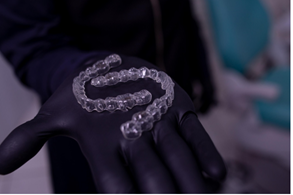
For teachers, lecturers, presenters, and other professionals who rely on clear communication, wearing aligners can raise an important question: Will Invisalign affect your speech? If you are considering Invisalign in Adelaide, it is understandable to worry about developing a lisp or feeling less confident when speaking in front of a class, meeting or audience. The good news is that any speech changes usually come from getting used to a new appliance in your mouth. With practice and the right approach, most people can adapt while continuing their normal professional routines.
Why Can Invisalign Affect Speech?
Clear aligners fit closely over the teeth, but they can initially change how your tongue moves and where it rests. This may affect the pronunciation of certain sounds, particularly sounds that require precise tongue-to-teeth contact.
Some people notice a temporary Invisalign speech lisp, often most clearly when saying sounds such as “s,” “z,” “sh”, or “th.” The effect can be more noticeable during the first few days of wearing a new aligner.
This does not necessarily mean Invisalign is unsuitable for people who speak professionally. Instead, it can be part of the adjustment process as your tongue becomes accustomed to the aligners.
How Adelaide Teachers and Presenters Can Adjust
If your job involves frequent speaking, practising with your aligners can help you become comfortable more quickly. Reading aloud is particularly useful because it lets you hear and identify sounds that feel different.
Try these practical strategies:
● Read aloud for 10–15 minutes: Practise lesson plans, presentation notes or articles while wearing your aligners.
● Speak at a controlled pace: Slowing down slightly can improve clarity while you adjust.
● Practise challenging words: Repeat words containing “s,” “z,” “sh” and “th” sounds.
● Record yourself: A short voice recording can help you identify whether your speech actually sounds different to others.
● Wear your aligners consistently: Following your orthodontic provider’s instructions gives your mouth regular exposure to the appliance.
For a teacher in Adelaide, this could mean practising before the school day; for a corporate presenter, rehearsing with the aligners before a major presentation can build confidence.
Invisalign and Professional Confidence
One advantage of Invisalign is its discreet appearance, which can be particularly appealing for adults whose careers involve regular public interaction. Unlike traditional braces, clear aligners do not use visible metal brackets and wires.
This makes Invisalign a popular option within adult orthodontics, especially for professionals who want to address dental alignment while maintaining a polished appearance at work.
If speech is a major concern, discuss your communication requirements during your consultation. Your orthodontic provider can assess your teeth and bite and explain what to expect during treatment.
When Should You Seek Advice About a Lisp?
A mild change in speech during the adjustment period is not usually a reason to panic. However, if a noticeable lisp persists, becomes disruptive or affects your ability to perform your job comfortably, speak with your orthodontic provider.
With Invisalign in Adelaide, treatment should be tailored to your dental needs and lifestyle. Teachers, presenters and other voice-dependent professionals can discuss upcoming presentations, teaching commitments or public-speaking responsibilities before treatment begins.
Conclusion: Can You Speak Clearly With Invisalign?
Yes, but you may need a short adjustment period. A temporary Invisalign speech lisp can occur as your tongue adapts to the aligners, but regular speaking practice can help you regain natural pronunciation and confidence.
If you are considering Invisalign in Adelaide, book a consultation with an experienced orthodontic provider. Discuss your work, speaking commitments and concerns so your treatment plan can accommodate both your smile goals and professional needs.
—
Frequently Asked Questions
1. Can Invisalign cause a lisp?
Yes. Some people experience a temporary lisp when they first start wearing clear aligners because their tongues need to adjust to the appliance.
2. How long does an Invisalign lisp last?
The adjustment period varies between individuals. Many people find that speech becomes more natural as they practise speaking with their aligners.
3. Can teachers wear Invisalign?
Yes. Teachers can wear Invisalign while teaching, as long as they follow their orthodontic provider’s instructions. Practising lessons aloud can help with speech adjustment.
4. Should I remove Invisalign before presenting?
Generally, aligners are designed to be worn as directed, not removed for routine speaking. Discuss any concerns about important presentations with your orthodontic provider.
5. Is Invisalign suitable for adults who speak publicly?
Invisalign can suit many adults, including people who regularly present or teach. A consultation can determine whether it is appropriate for your teeth, bite and treatment goals.