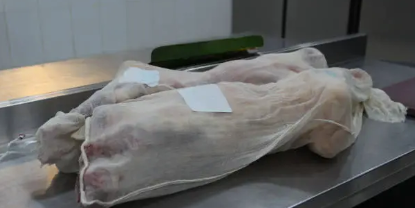
In Australia’s thriving agricultural sector, stockinette bags have emerged as an essential tool for farmers and food distributors. These versatile, breathable bags provide a practical solution for storing and transporting fruits, vegetables, nuts, and other perishable produce. Designed to reduce spoilage while maintaining freshness, stockinette bags are increasingly valued for their durability, eco-friendliness, and adaptability to different climates and storage conditions across Australia. Whether for local markets or export, these bags are helping Australian producers protect their valuable crops from damage and waste.
Australia produces a wide variety of fresh produce, from citrus fruits in New South Wales to stone fruits in Victoria, tropical crops in Queensland, and nuts in South Australia. For these growers, proper storage and transport are critical to ensuring that produce reaches local markets and international buyers in top condition.
Stockinette bags offer the ideal solution because they allow air circulation, prevent moisture accumulation, and reduce the risk of mould and decay. This makes them particularly suitable for sensitive crops like apples, mandarins, macadamia nuts, and even potatoes in certain regions. Their lightweight design also reduces transportation costs compared to heavier packaging options.
Benefits of Stockinette Bags in the Australian Context
The Australian agriculture industry faces unique challenges, including varying temperatures, humidity levels, and long transport distances. Stockinette bags address these challenges by providing a breathable, flexible, and lightweight storage option. Farmers and distributors can stack and handle these bags with ease, reducing labour costs and minimising product damage. Additionally, many stockinette bags are made from recycled or biodegradable materials, aligning with Australia’s increasing focus on sustainable agricultural practices and environmental responsibility.
Stockinette bags are especially effective during peak harvest seasons. For example, during the Queensland mango season, careful storage is crucial to prevent bruising and spoilage during transport to southern markets. Similarly, apple producers in Tasmania and Victoria benefit from stockinette bags that allow airflow and reduce condensation in storage facilities. By using these bags, farms across Australia can maintain the quality and shelf life of their produce, ultimately increasing profitability and reducing waste.
Supporting Sustainability in Australian Agriculture
Sustainability is a growing priority for Australian consumers and producers alike. Stockinette bags support eco-friendly practices by reducing reliance on single-use plastics and minimising food waste from spoilage. Many Australian suppliers now offer reusable or biodegradable stockinette bags, which not only help farms meet environmental regulations but also appeal to environmentally conscious buyers. By investing in sustainable packaging, farms across New South Wales, Victoria, Queensland, and South Australia can improve their environmental footprint while maintaining high-quality produce.
The environmental benefits extend beyond biodegradability. Because stockinette bags can be reused multiple times, farms reduce their overall packaging costs while contributing to circular economy initiatives. Retailers, too, find these bags appealing, as they offer a visually clean, hygienic way to display produce without relying on plastic wrap. For export markets, this sustainability aspect can also enhance the competitiveness of Australian produce, as international buyers increasingly prioritise environmentally responsible packaging.
Choosing the Right Stockinette Bags for Australian Conditions
Selecting the appropriate stockinette bags requires careful consideration of the type of produce, storage conditions, and transport requirements. Australian farmers handling tropical fruits in humid regions may require bags with higher moisture-wicking properties, while those in cooler areas may prioritise insulation and frost protection. Stockinette bags are available in various sizes, mesh densities, and materials, allowing growers to tailor their use to specific crops. Suppliers in Australia often provide guidance on bag selection to ensure optimal performance and longevity, helping farmers maximise yield and reduce losses.
Moreover, the versatility of stockinette bags extends to specialty crops. Nut growers in Western Australia, for instance, can use stockinette bags to store and cure macadamias efficiently, while vegetable farmers in southern New South Wales use them to transport leafy greens safely to farmers’ markets. The adaptability of these bags to different crops, climates, and storage setups makes them an invaluable investment for Australian producers.
Conclusion
As the Australian agriculture and food distribution sectors continue to expand, stockinette bags remain an indispensable solution for maintaining produce quality, supporting sustainability, and optimising storage and transport processes. Their breathable design, durability, and environmentally friendly options make them a practical choice for farms and distributors across the country. By adopting stockinette bags, Australian producers can safeguard their crops, reduce waste, and meet the growing demand for eco-conscious packaging solutions.
With increasing attention on sustainable farming and efficient food supply chains, stockinette bags are set to play a pivotal role in the future of Australian agriculture. From the orchards of Victoria to the farms of Queensland, these simple yet highly effective bags demonstrate that practical, sustainable packaging can benefit both producers and the environment alike. For farmers and distributors who want to stay competitive while supporting ecological practices, stockinette bags represent a forward-thinking investment that delivers measurable value.